


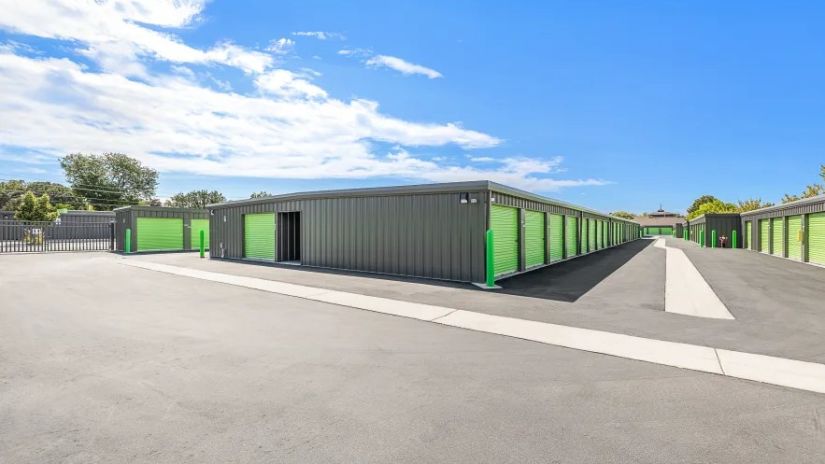


What Exactly Is Drive-up Storage And Why So Convenient?
If your idea of self-storage is long hallways, elevators, and hauling boxes down a corridor, drive-up storage is worth a second look. These are ground-level units you can pull your car, truck, or moving van right up to — no elevator, no cart, no stairs.
For Drive-up storage units in Boise, residents juggling moves, gear, and businesses that need quick access, it's one of the most practical storage options available. Here's what actually matters when deciding if it's right for you.
What Is a Drive-Up Storage Unit?
A drive-up unit works like a private garage: it has its own roll-up door that opens directly to an outdoor driveway or lane, so you park right next to your unit and load or unload straight from your vehicle.
That's the core difference from indoor or multi-level storage, where you'd typically walk your items through a hallway, possibly take an elevator, and access your unit from an interior corridor. Drive-up trades that indoor, climate-buffered environment for direct, ground-level access.
Who Actually Benefits Most From Drive-Up Storage
- People mid-move. Loading a moving van is dramatically faster when you're not carrying furniture down a hallway.
- Contractors and tradespeople who need to load and unload tools or materials multiple times a week.
- Small businesses use a unit as a staging area for inventory, seasonal stock, or equipment.
- Outdoor enthusiasts — with Boise's easy access to skiing, rafting, and mountain biking — often use drive-up units to store bikes, skis, kayaks, and camping gear between seasons.
- Anyone storing bulky or heavy items — appliances, mattresses, patio furniture — where narrow hallways and doorframes are a hassle.
What to Actually Check Before Renting
A roll-up door is the headline feature, but these details matter just as much:
- Access hours. Some facilities offer 24-hour access; others have set gate hours. If you need early-morning or late-night access, confirm this before signing — don't assume.
- Security features. Ask specifically what's on-site: gated entry, cameras, individually alarmed units, on-site staff. "Secure" means different things at different facilities.
- Surface and drive lane width. If you're bringing a larger truck, trailer, or RV, confirm there's enough room to maneuver, especially at facilities with tight rows.
- Weather exposure. Since the unit opens to the outside, ask about the door and threshold seal — this affects how much dust or moisture can get in over time.
- Unit size vs. door size. A wide door is only useful if the unit itself is large enough for what you're storing — check both dimensions, not just the door width.
Getting the Most Out of a Drive-Up Unit
- Keep frequently used items near the front. If you're in and out often, don't bury the things you need most behind everything else.
- Use weatherproof bins for anything moisture-sensitive, even though the unit itself is sealed — this adds a layer of protection against dust and temperature swings at the door.
- Add shelving. Ground-level units tempt people to just stack on the floor; shelving uses your vertical space and keeps items off a concrete floor.
- Leave a walking aisle. It's easy to pack wall-to-wall when you're loading from a truck, but you'll regret it the first time you need something from the back.
- Label boxes on multiple sides, since you'll often be viewing them from your vehicle rather than walking all the way around.
Frequently Asked Questions
Is drive-up storage cheaper than indoor storage? Generally, yes. Because it doesn't include climate control or interior hallway maintenance, drive-up units typically cost less per month than comparable indoor units — though exact pricing varies by facility and unit size.
Can I access a drive-up unit at night? It depends on the facility. Some offer 24/7 access; others have set gate hours (often extended, but not unlimited). Always confirm access hours before you rent, especially if odd-hour access matters to you.
What size drive-up unit do I need for moving? It follows the same general sizing as indoor units — a 10x10 fits roughly a one-bedroom apartment, and a 10x15 or 10x20 fits a larger home. The advantage of drive-up is that loading a truck against a larger unit is much faster, regardless of size.
The Bottom Line
Drive-up storage gives you garage-like convenience with the security of a storage facility — ideal if you value fast, direct access over climate control. The right choice ultimately comes down to what you're storing and how often you need to get to it.


